

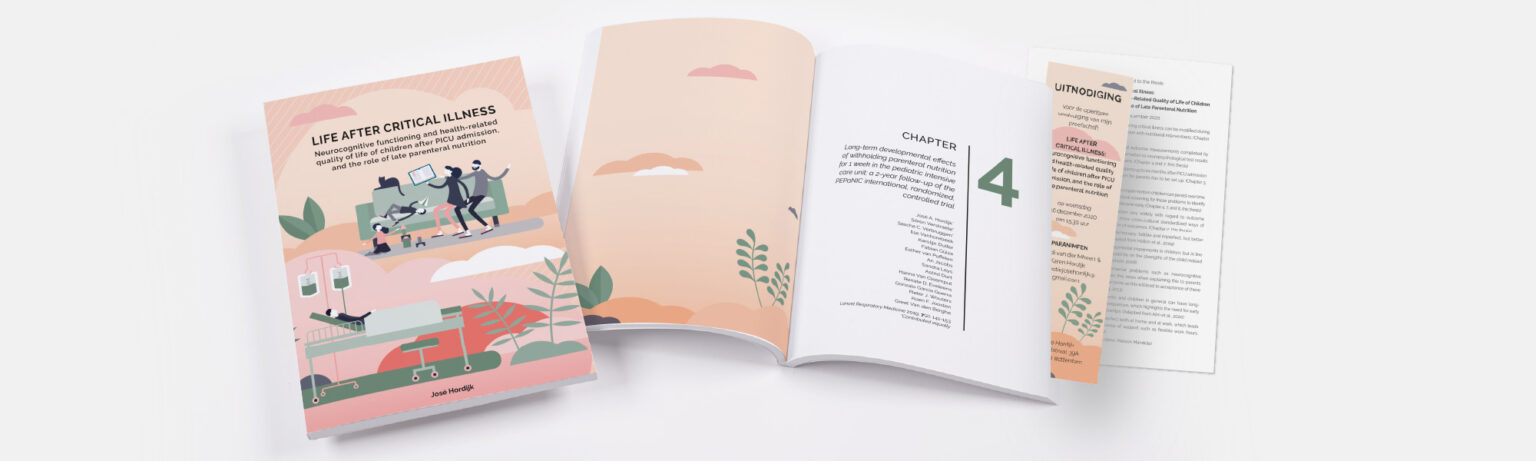
The format of your dissertation
A4, A5, B5 – what’s the deal exactly?
In principle, you can have your thesis produced in any format you like, but over the years, certain aspects have, of course, become standardised. In this article, I’ll take you through, step by step, the choices you can make and explain why the ‘standard’ thesis format isn’t actually that standard at all.
Paper sizes in general
The most common paper size is A4; everyone uses it in their home printer. A4 is part of the A-series. The image below clearly shows how this series is structured and the paper sizes it produces. The basis is an A0 sheet, which measures exactly 1 square metre. As you can see, each subsequent size is half the size of the one before it.


Just as there is the A-ratio, there is also the B-ratio. The principle behind the B-ratio is the same as that of the A-ratio, but the starting point is different. For B0, the short side is exactly 1 metre. The same ratio is then applied, resulting in a size that falls exactly between the A sizes.
The most commonly used format for a thesis
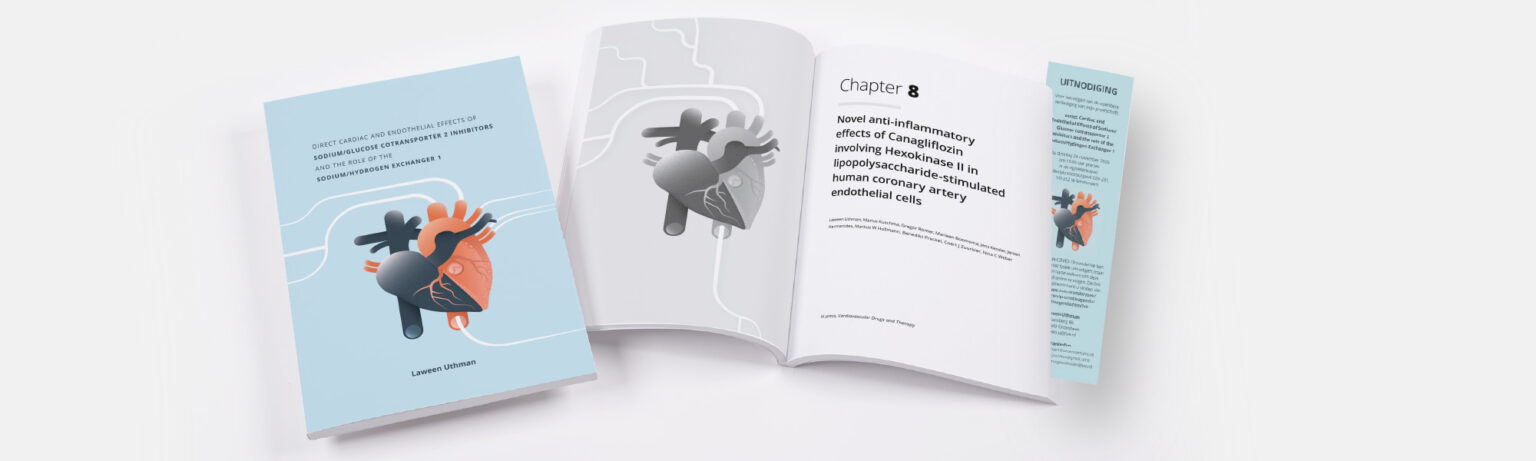
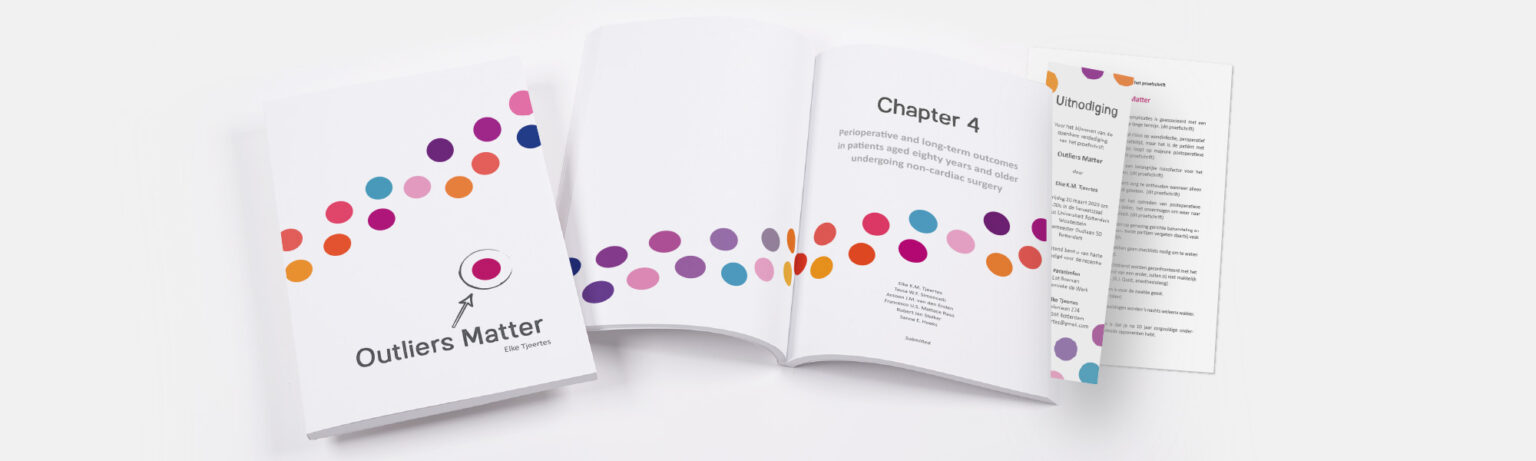
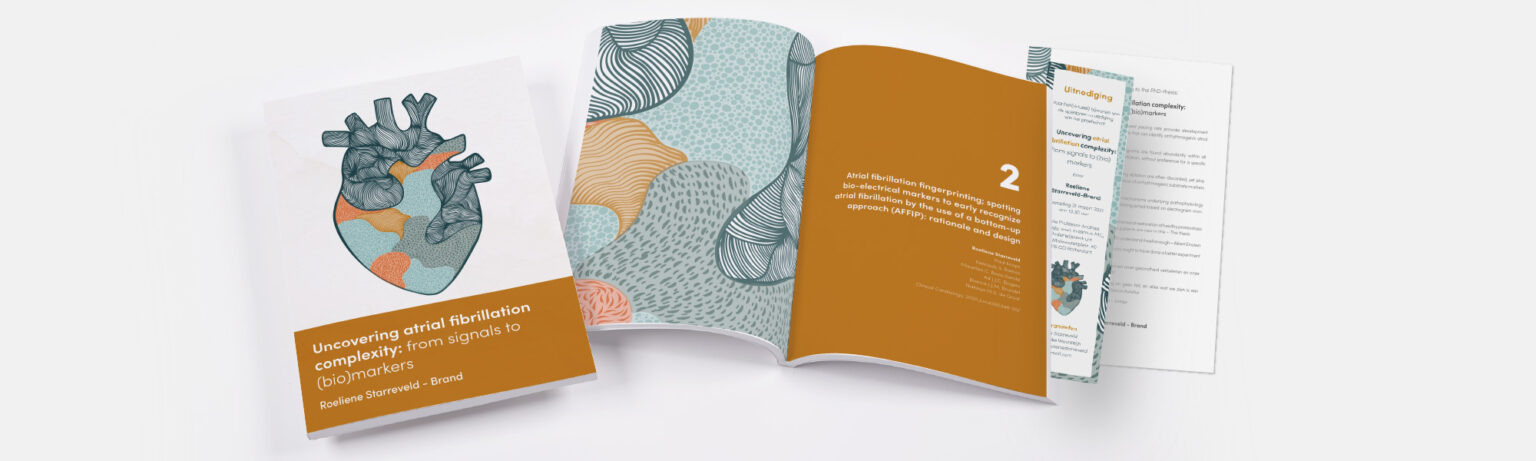
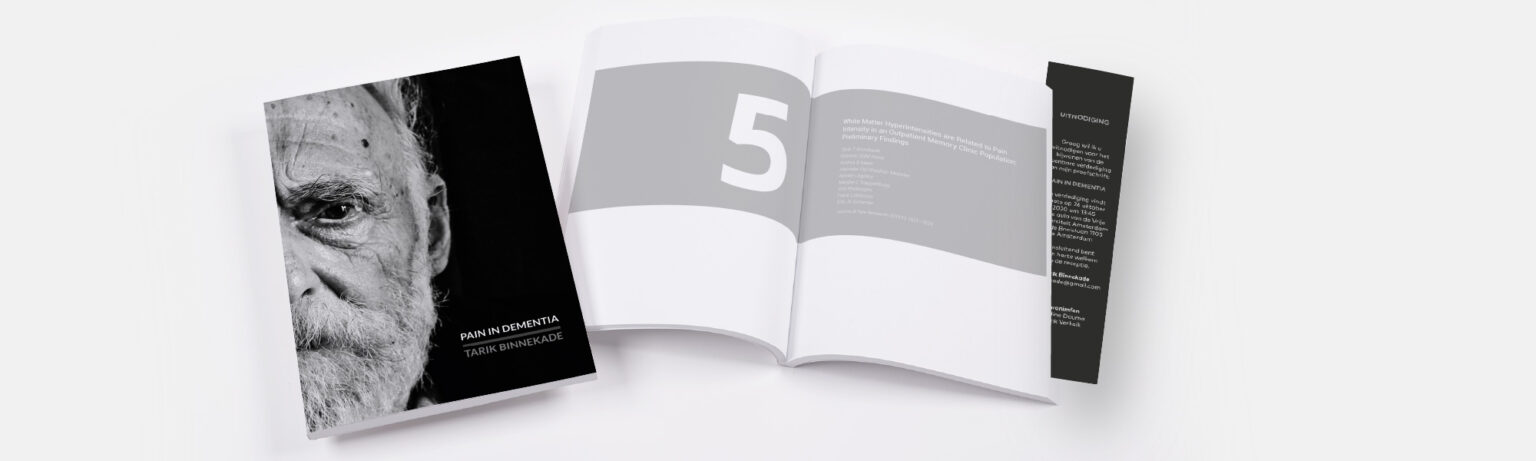
The most commonly used format for a thesis is 170 by 240 millimetres; this is referred to as B5 by most printers. As you can see from the overview, B5 is actually 176 by 250 millimetres. The reason why the ‘B5 thesis’ differs from the standard B5 format dates back to offset printing. In the past, all theses were printed on printing plates; these plates have a standard size and, to use them as efficiently as possible, a slight adjustment was made to the format. This made it cheaper and resulted in less paper wastage. Once that standard was established, we have never deviated from it.
Formats during production
We are used to first choosing a paper size and then printing something on it. At a print shop, it works exactly the other way round. First, they print onto large sheets or rolls, and only after printing is the product cut to the correct dimensions. The advantage of the ‘B5 thesis’ therefore no longer exists, yet printers continue to offer this size as standard.
Non-standard formats for a thesis
In almost all cases, the format used is ‘B5 thesis’. The only two alternatives we occasionally come across are A5 or square. An A5 thesis therefore has the same aspect ratio as a B5 but is slightly smaller. In the case of a square thesis, both sides are, of course, the same size.
Propositions
When theses need to be defended, we print them on a separate sheet. A5 is often chosen for this. As can be seen from the above, this fits neatly into your thesis; if you were to choose the ‘B5 thesis’ format for your theses as well, it would protrude slightly from the side. This is because you cannot insert a loose sheet completely into the binding.
Make sure you give some thought to the format of your thesis in good time; it is important to consider this during the design Please bear this in mind. If you wish to deviate from the ‘standard’ B5 format, please let us know during the application.