Printing your thesis
Once a thesis has been laid out, it is sent to print. When printing a thesis, you’ll be faced with a number of choices. It’s likely that this will raise some questions: for example, which printing technique is best suited to your book? What paper characteristics should you actually be looking out for? And which type of paper gives you the best end result?
To give you a clear picture of the options available, we have compiled some information to help you get off to a good start when deciding how to have your thesis printed.
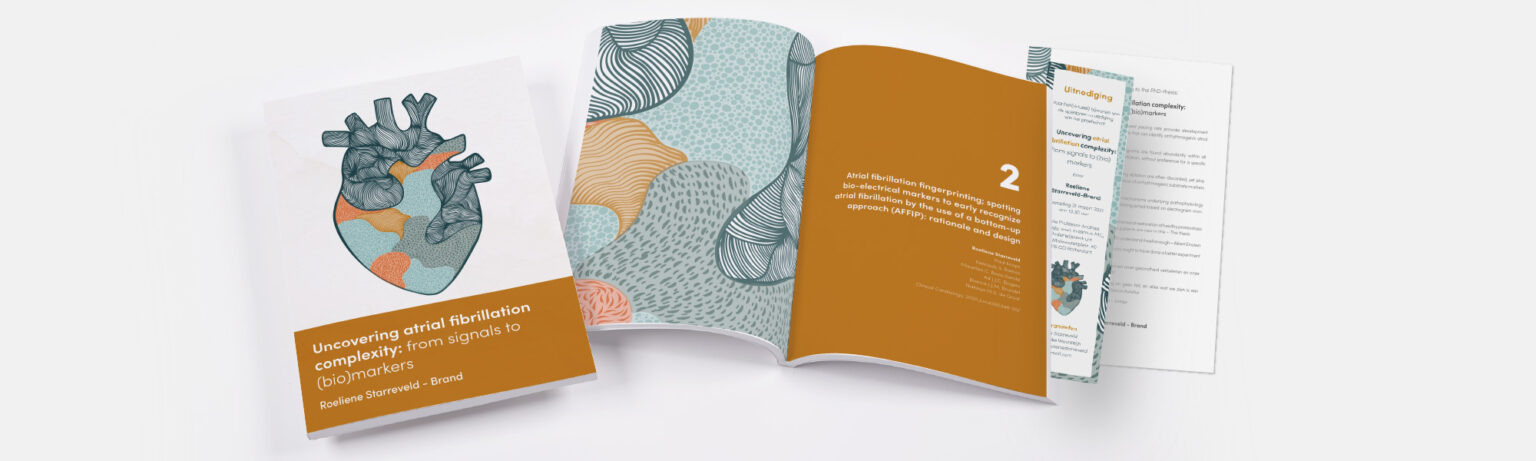
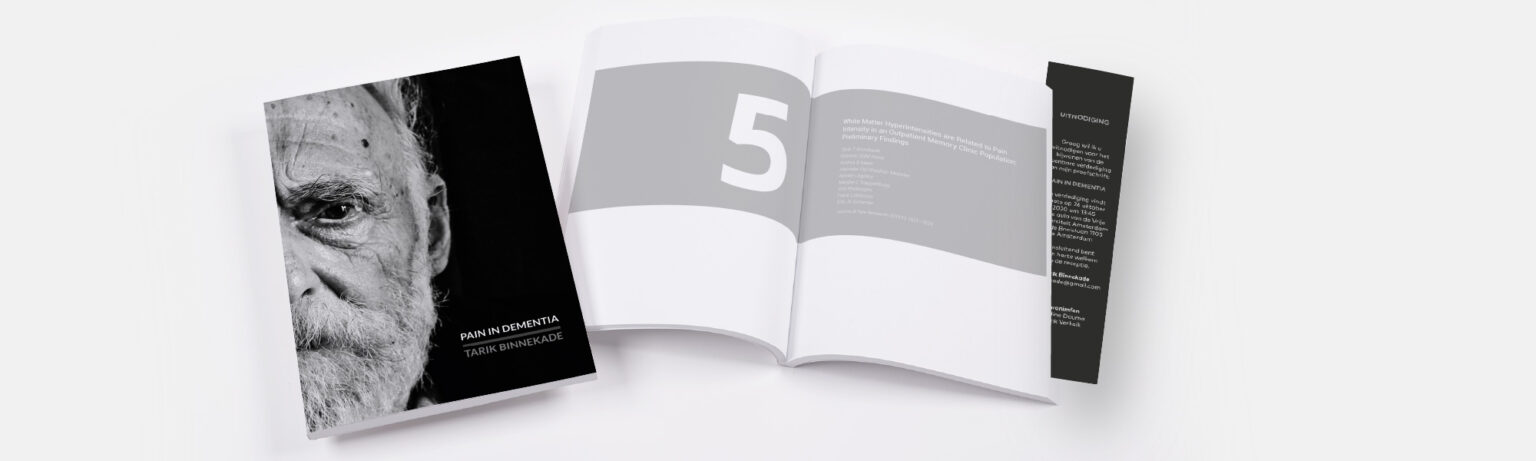
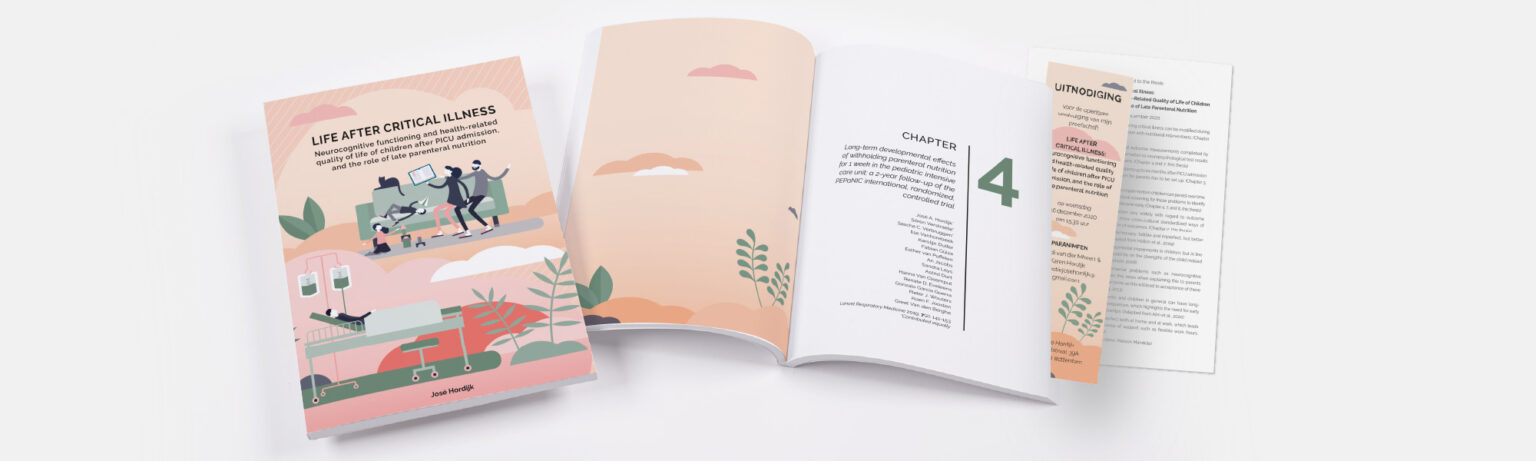
The printing options for the interior are often geared towards readability. When it comes to the cover, the main priority is to achieve a unique and personalised result: there are numerous options available for this, ranging from a hardback to special finishes and inks on your cover.
Options for printing your thesis
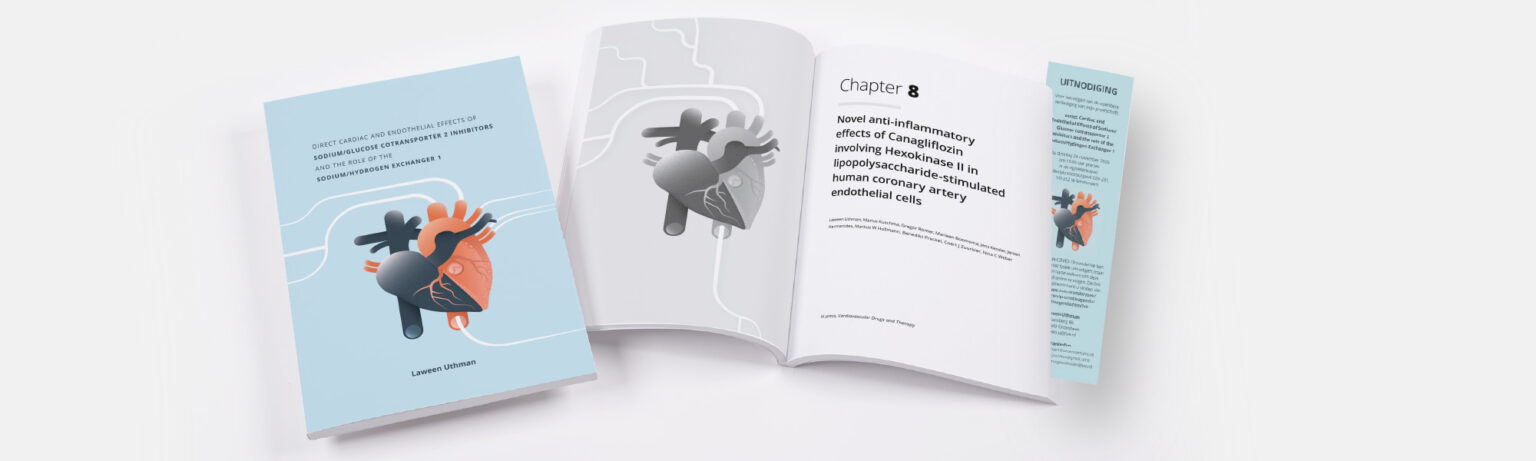
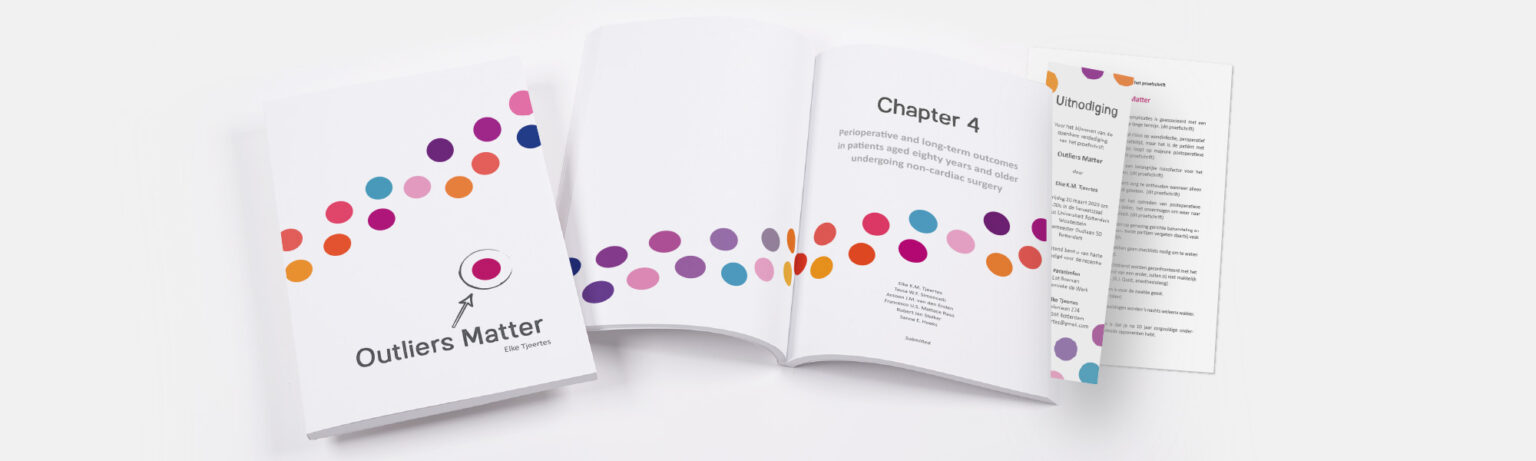
Once the layout is finalised, you’ll already have a very good idea of what your thesis will look like. But the layout process doesn’t end with the submission of the PDF. A digital file is ultimately converted into a physical copy: it goes from a PDF to an actual thesis. You’ll first receive the proof – the first time you’ll actually hold your thesis in your hands. This will also allow you to see how the choices you’ve made so far look in reality. Once you’ve given your approval, everything goes into production, and you’ll then know exactly what you’ll ultimately receive.
The standard size of a thesis is usually 170 mm by 240 mm. It is also important to consider readability: which type of paper will show your text to its best advantage? Furthermore, it is important to consider factors such as colours and the printing technique used by the printer: these, in combination with the type of paper, all influence the final appearance of your booklet.
Considerations regarding printing
- What format will my thesis be in?;
- What types of paper are there (and what is the readability of each type of paper);
- Do I use a lot of colours in my thesis?;
- What printing technique is used?;
- Do I want to apply any special effects to my cover;
- What print run should I have printed?
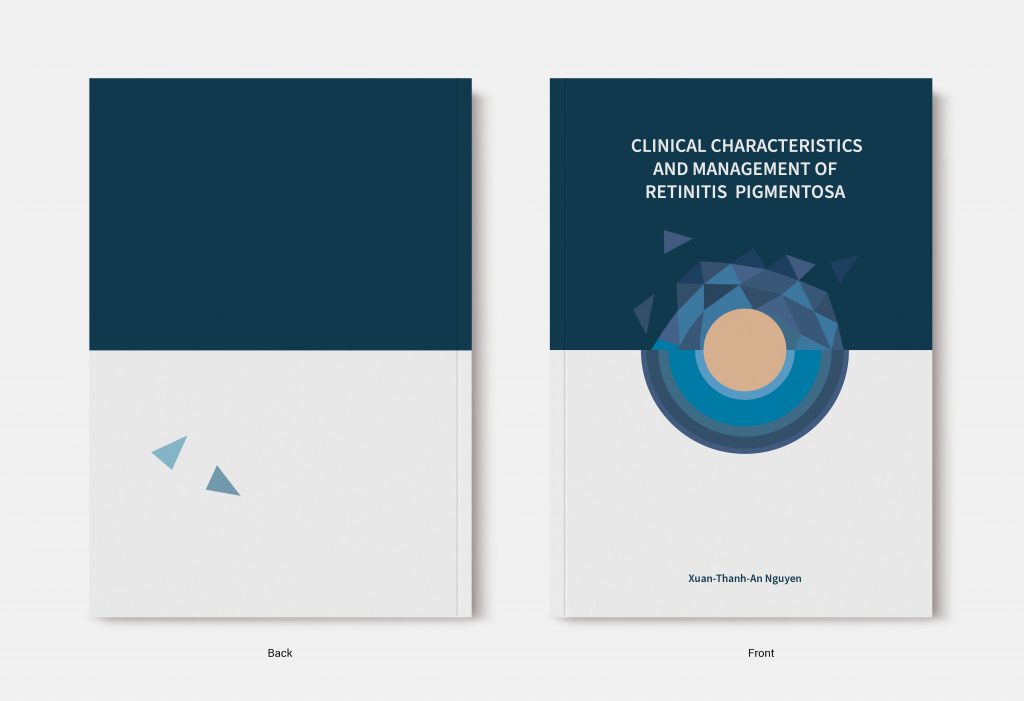
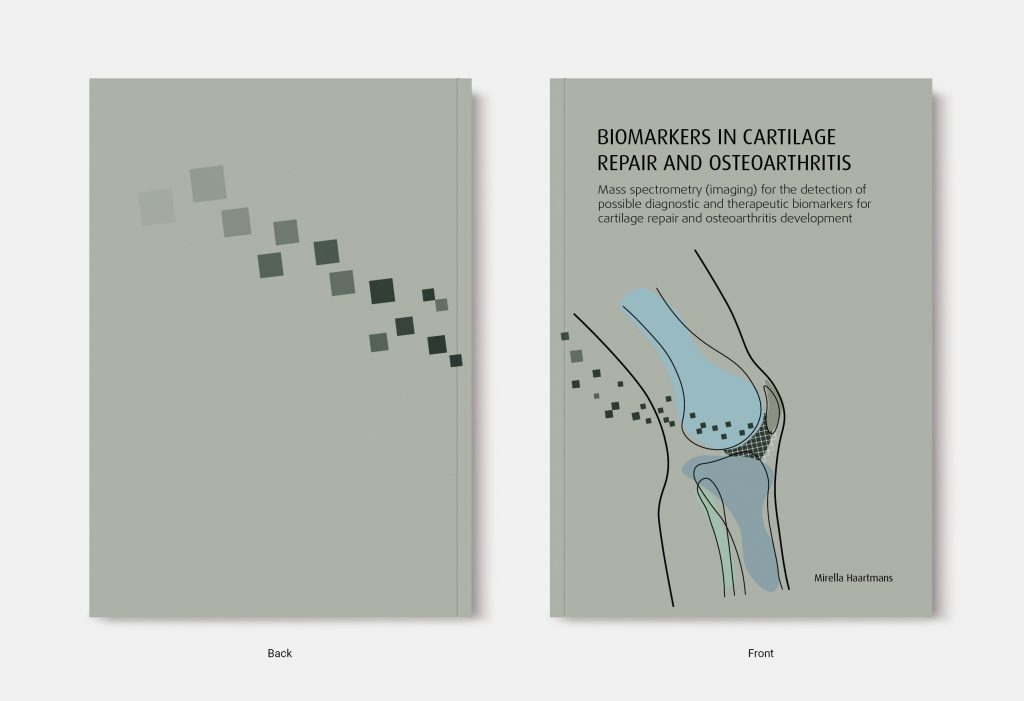
What type of cover is best for my thesis?
The cover and the binding method
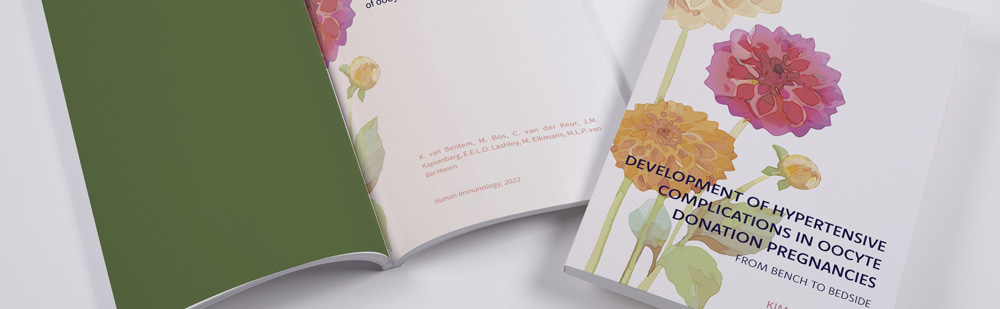
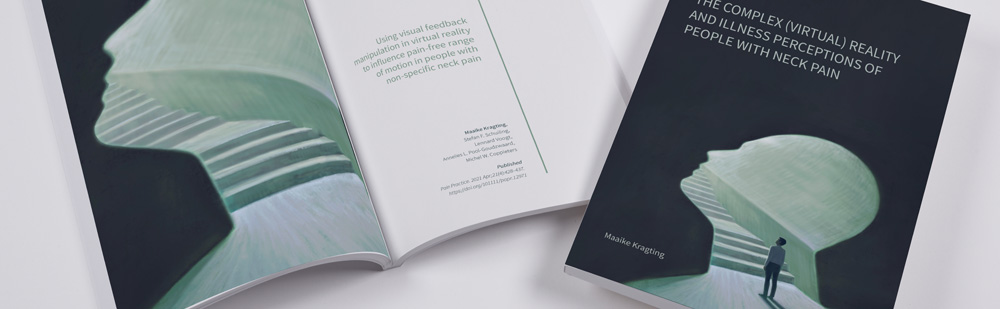
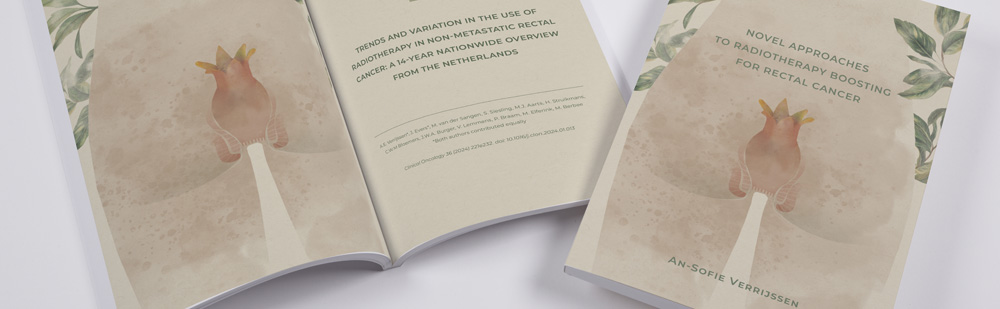
The cover is, of course, the real calling card of your thesis. With the right cover, you’ll make an impression in the world of research and your thesis will really stand out! So that’s reason enough to give careful thought to what you’d like for the cover of your thesis. When it comes to paper, you have a number of options: you can opt for a softcover (which is thin, more flexible cardboard), similar to a paperback. You can also choose to have (all or some copies) printed as hardbacks. This has a thicker cover and gives your book a more luxurious look.
As well as the type of paper used for the cover, there are also differences in how the booklet is bound. Examples include a perfect-bound book or a thread-bound book.
How can I make my cover unique?
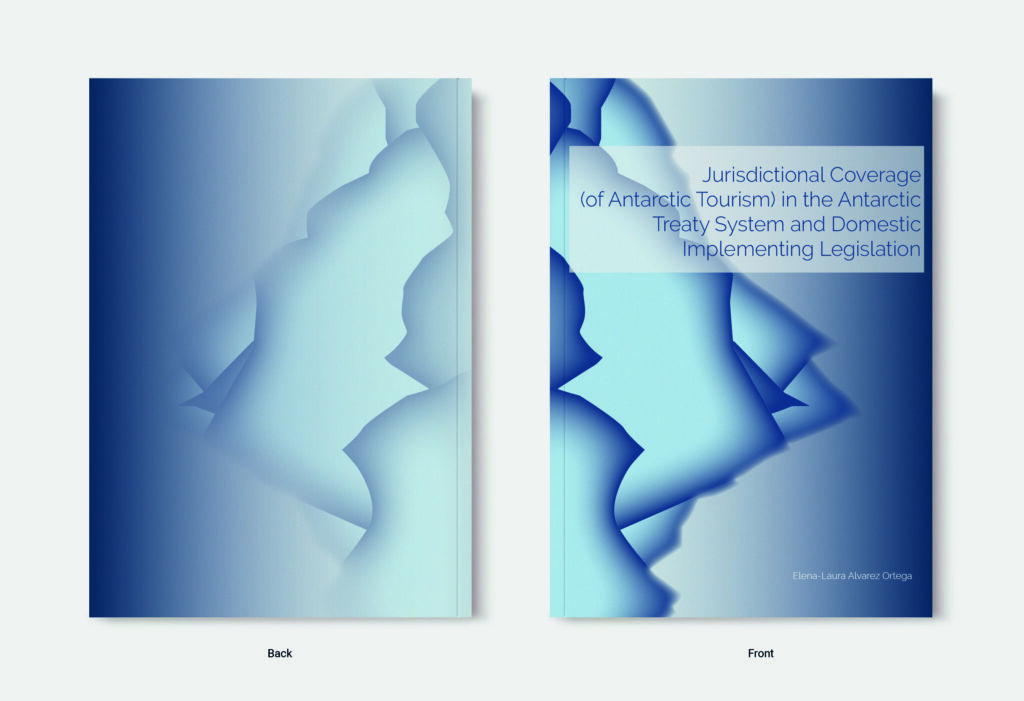
Naturally, you’ll want your cover to be unique. This starts with the design, but there are also options in the printing process to ensure that no other thesis is quite like yours. There are lots of special finishes you can add to the design during the printing process – for example, transparent glossy varnish (SPOT UV), gold foil, laser die-cutting, etc. You’ll find all the options in our article on special finishes.
If you really want to stand out, you could also consider the different types of ink that can be used on the cover. In addition, you could opt for a special material for your cover: for example, a faux leather or linen cover.
Printing partners of Persoonlijk Proefschrift
We work closely with Knight print and Thesis Specialist and. Together with them, we take care of everything for you throughout the entire process: from the initial consultation to the delivery of the booklets. When you work with one of these partners, we can guarantee a seamless collaboration – both in terms of communication and the technical aspects of file delivery.
What our customers say about us
Thanks to the good communication, the collaboration was flexible and aligned perfectly with my wishes.
Fast, friendly, and proactive.
Very cooperative. Listened to all my suggestions and also gave her own opinion which made things better.