

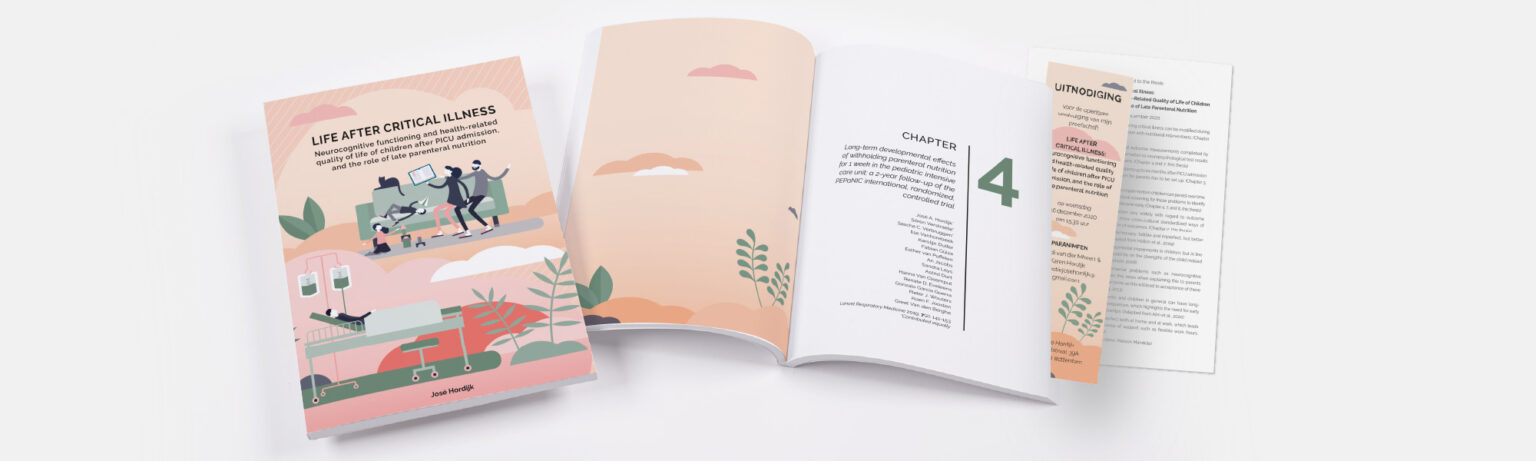
Special cover designs for your dissertation?
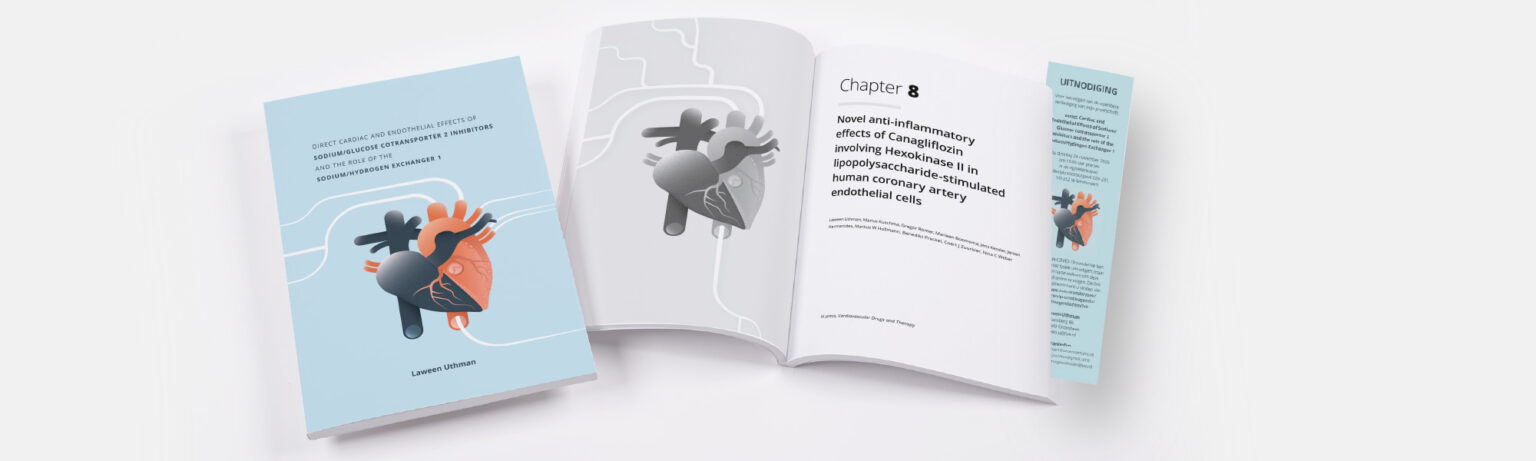
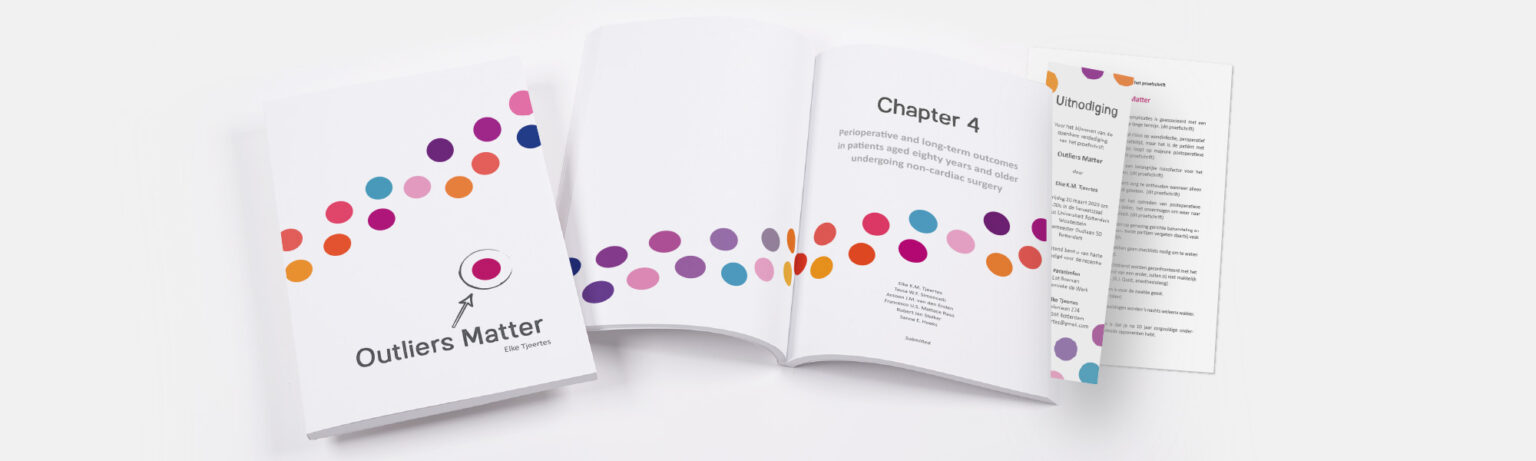
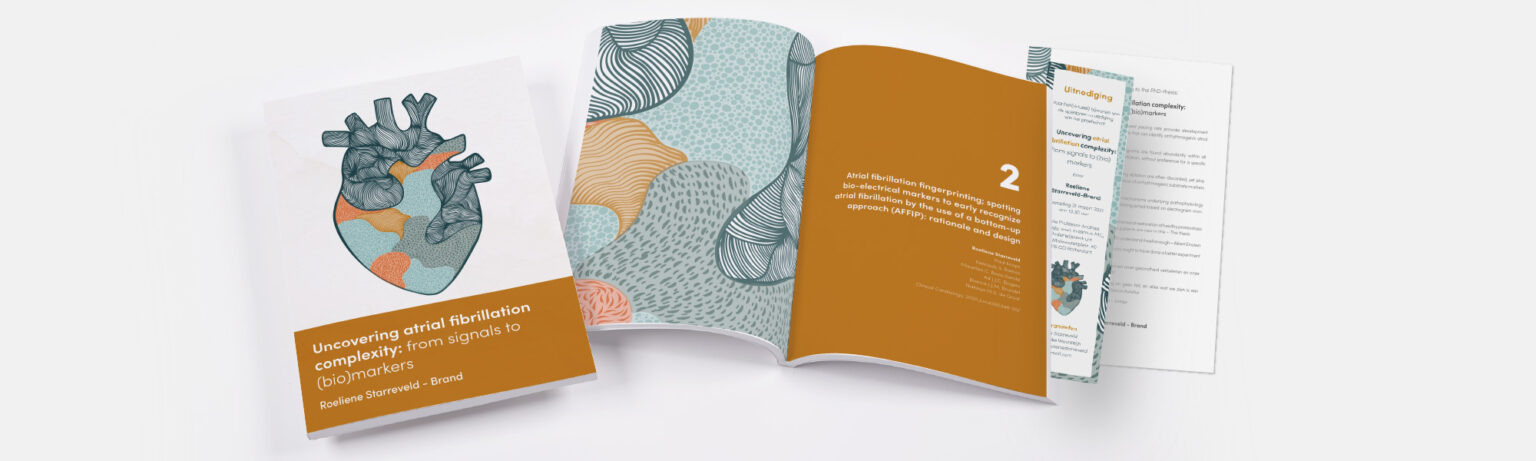
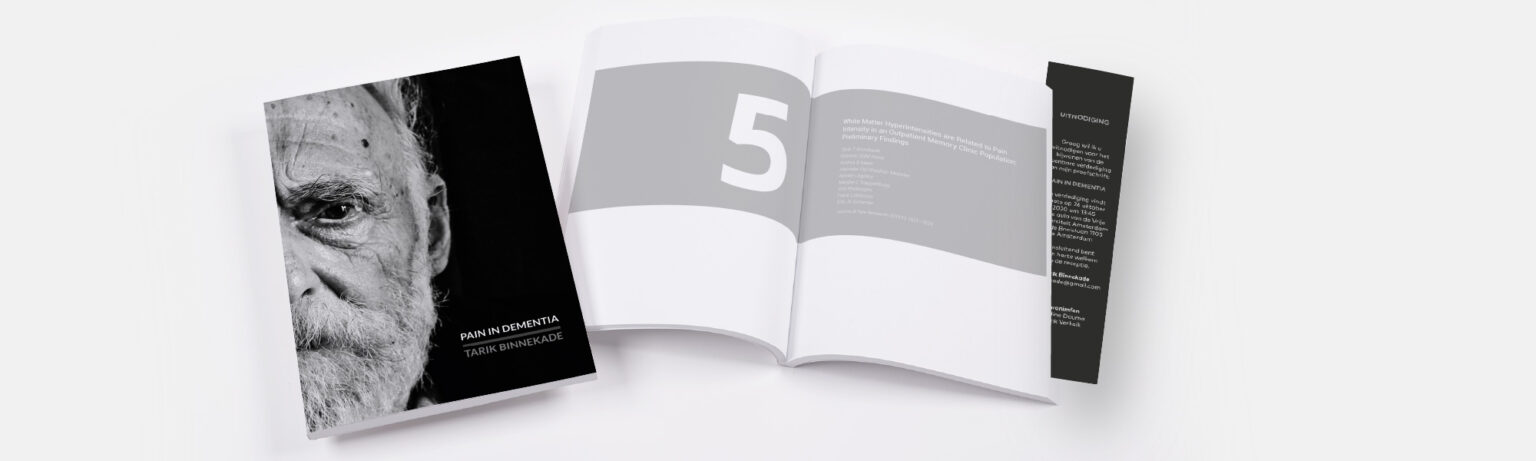
The front cover of your thesis is the first thing a reader sees and serves as an introduction to your PhD research. You’ll want to make this cover special, which you can achieve through the design or by including a striking image (see our article on cover inspiration) but also by adding a special finishing touch whilst your thesis is being printed.
This article explores the various options available and answers the question: How can I make the cover of my thesis unique? It provides inspiration for creating a unique cover for your thesis.
Special operations
UV spot varnish
Spot UV varnish is a glossy varnish that can be applied to a specific part of the design. You could compare it to a transparent ink that can be applied to certain areas of your cover. This makes the area treated with Spot UV varnish shine, making it stand out.

Embossing
Embossing (also known as relief or raised printing) creates a raised layer on your cover. You can apply embossing in any shape; a die is made, which is then pressed into your cover. This allows you, for example, to make your title stand out from the cover in relief.

Foil printing
When you apply foil printing to your cover, a foil – often glossy – is applied to the paper in a shape of your choice. As this foil is pressed onto your cover at a high temperature, it bonds to the paper. The result is a glossy foil that sits slightly recessed into the paper.

Laser cutting / punching
If you want your cover to offer a glimpse of the first page, you can use a die-cut or have a shape cut out of your cover using a laser cutter. There is sometimes a choice of standard die-cuts, such as a square or a circle. If you really want to make it unique, you can have your own die-cut made, or go all out with a laser-cut cover. Both create a striking effect on the cover of your thesis.

Speciality inks
There are a huge number of special inks; we’ll discuss a few unusual and commonly used ones.
‘Rub and view’ ink
As the name suggests, this ink becomes transparent when you rub it. At a temperature of 25 degrees, the ink changes from opaque black to completely transparent, revealing whatever has been printed underneath. A real surprise for the cover of your thesis!

Embossed ink
With embossing ink, you can create a tactile and visible raised effect on the paper. This is somewhat similar to the debossing discussed below; as no stamp needs to be made, it is cheaper for small print runs.

Glitter ink
This will really make the cover of your thesis sparkle! The glitter ink is applied over the printed text and is available in various textures and colours.

Screen protector
Screen foil gives the ink a mirror-like effect. It is a lovely alternative to the foil printing discussed above. The effect is virtually the same, but as there is no need to make stamps, this saves on costs.

Costs
The cost of all these processes lies mainly in the set-up and configuration of the process. The higher the print run, the lower the price per booklet; as a result, these processes are never included in the proofs – please bear this in mind. You will only see the effect in the final result. There are, of course, examples available to give you a good idea of what the process entails. This will help you assess whether and how the special process will enhance the appearance of your thesis. For an exact price estimate, please contact your printer or Persoonlijk Proefschrift.
We hope this article will provide some inspiration for a unique and special cover for your thesis. After all, the cover of your manuscript is the first impression anyone will have of your PhD research!